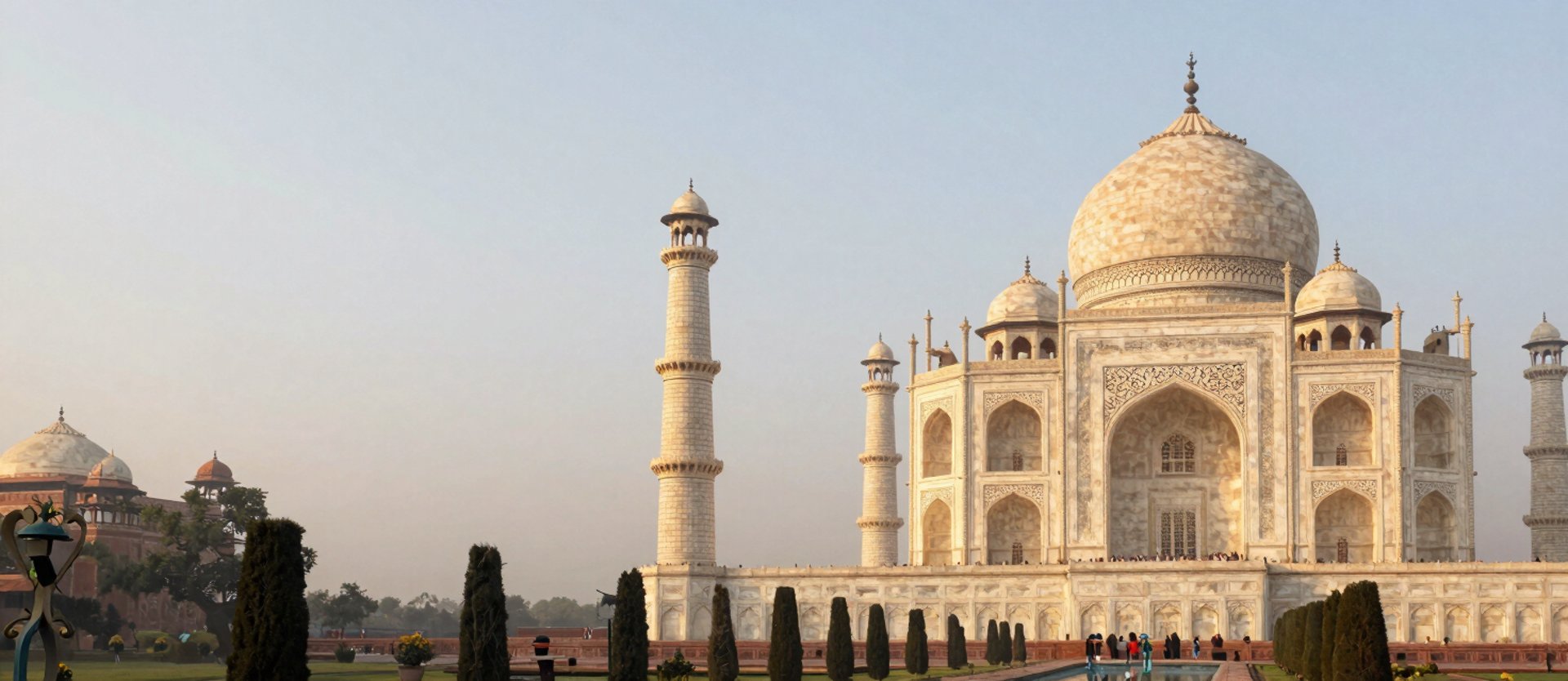
History you can walk through
Guides who know why the Imambara's ceiling has no beams, which lane in Varanasi's old city still runs a centuries-old brasswork tradition, and where to stand at the Taj as the light shifts.
Each city tells a different story
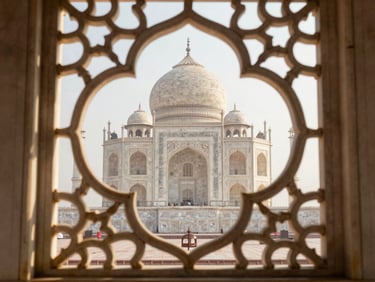
Agra
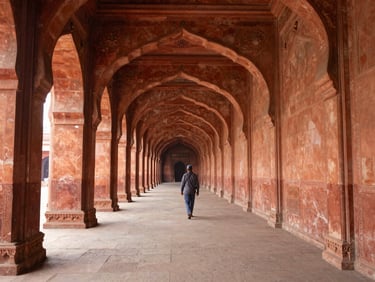
Lucknow
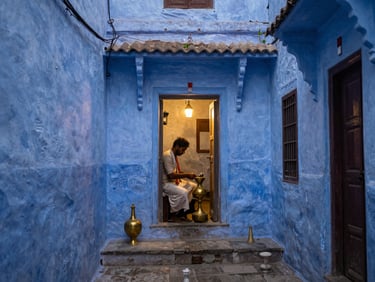
Varanasi Old City
Beyond the ghats: the silk-weaving lanes, colonial-era havelis, and neighborhood temples that define one of the world's oldest continuously inhabited cities.
Nawabi architecture, the labyrinthine Bhool Bhulaiya, and Chowk's living craft quarter — where Mughal refinement became something distinctly Awadhi.
The Taj Mahal, Agra Fort, and the deserted capital at Fatehpur Sikri — read in sequence, not as separate photo stops.
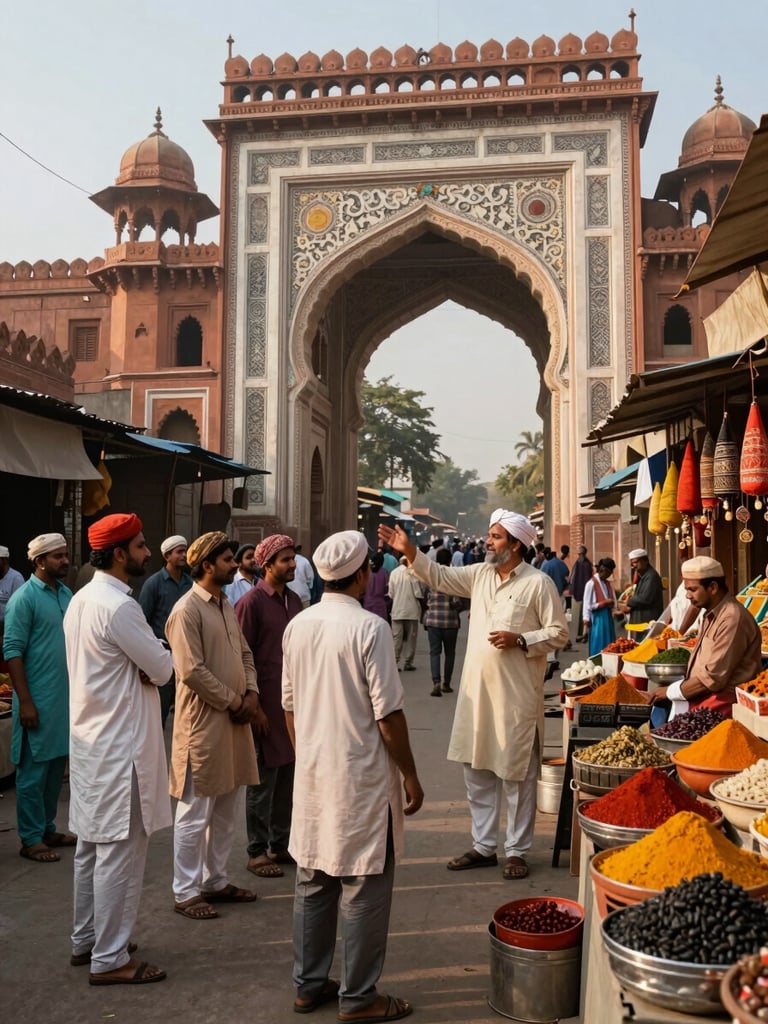
History lives in the streets too
Every route includes bazaar walks, a craft workshop stop, and a local food break — not as extras, but as part of how the city is actually read.
Private and small-group options available. Transport, accommodation, and guide coordination handled end to end — you carry nothing but curiosity.
Taj Mahal at first light. Imambara after the crowds leave. Varanasi's silk quarter before noon. We build the schedule around when places are actually themselves.
Ready to plan your heritage tour?
Tell us which cities, how many days, and whether you prefer private or group travel. We respond the same day.